Revolutionizing Space with Ultra-Low Earth Orbit
Imagine a satellite zipping around Earth at just 200 kilometers above the surface, capturing crystal-clear images and slashing communication delays. Bengaluru-based Bellatrix Aerospace is making this a reality with their groundbreaking Project 200, a satellite designed to operate in Ultra-Low Earth Orbit (ULEO). This innovation could redefine satellite technology, and it’s coming from a vibrant startup hub in India’s Silicon Valley.
What Is Ultra-Low Earth Orbit?
Ultra-Low Earth Orbit spans altitudes of 180–250 km, far closer to Earth than the typical Low Earth Orbit (LEO) at 450–1,200 km. At this altitude, satellites face intense atmospheric drag, which traditionally causes them to deorbit quickly. Bellatrix’s breakthrough propulsion technology tackles this challenge, enabling satellites to stay aloft for years.
Why Does ULEO Matter?
Operating at such low altitudes offers game-changing advantages. Satellites in ULEO can deliver high-resolution imagery and faster data transmission, critical for applications like Earth observation and telecommunications. Bellatrix’s Project 200 aims to unlock these benefits, making space more accessible and cost-effective.
Bellatrix Aerospace: A Bengaluru Trailblazer
Founded in 2015 by Rohan M. Ganapathy and Yashas Karanam, Bellatrix Aerospace has emerged as a leader in India’s private space sector. From their early days at the Indian Institute of Science (IISc), they’ve grown into a global player, developing cutting-edge propulsion systems and satellite platforms. Their mission? To make space sustainable and innovative.
The Birth of Project 200
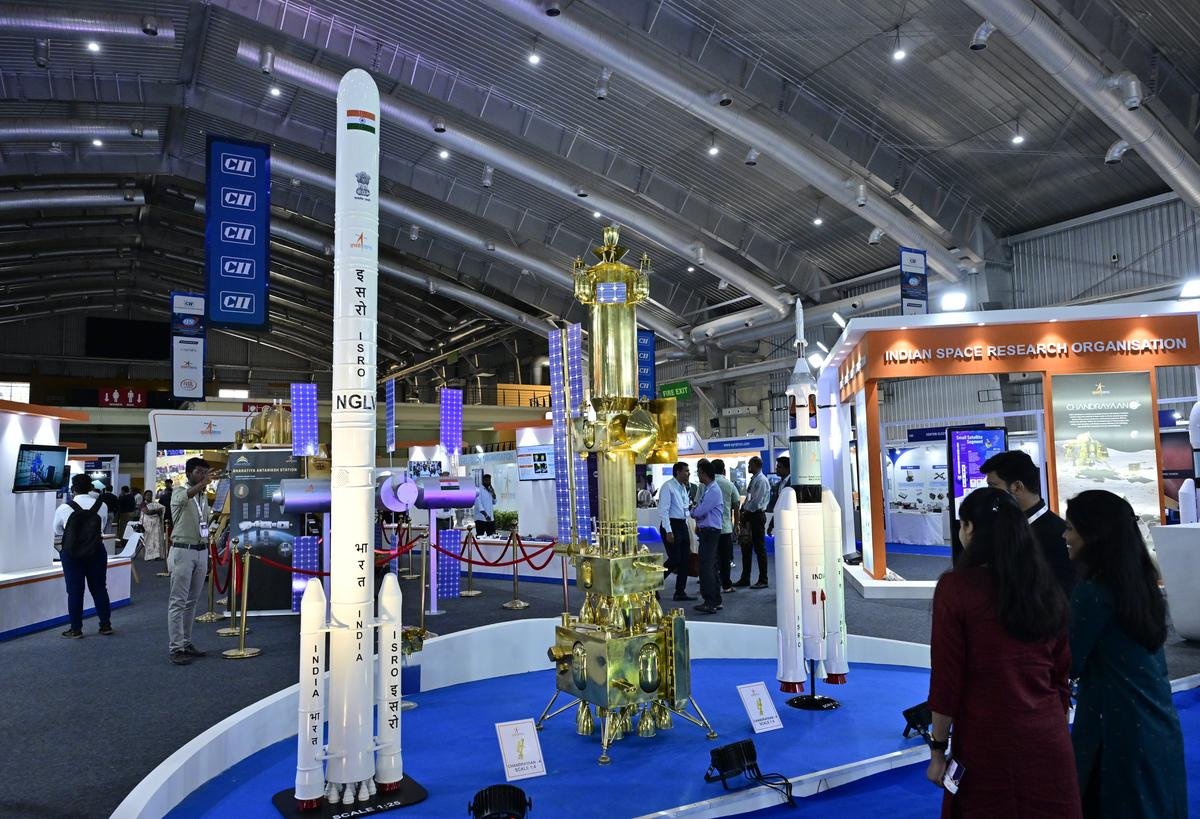
Project 200, unveiled at the Bengaluru Space Expo 2024, is Bellatrix’s bold step into ULEO. The satellite, powered by an innovative air-breathing electric propulsion system, uses atmospheric gases as fuel, reducing the need for onboard propellant. This technology could revolutionize satellite operations by extending mission lifespans.
A Personal Connection to Space
I remember stargazing as a kid, dreaming of what lies beyond the clouds. Bellatrix’s work feels like that childhood wonder brought to life—engineers in Bengaluru are building machines that dance with Earth’s atmosphere! Their passion for solving complex problems, like keeping satellites aloft in ULEO, is inspiring a new generation of space enthusiasts.
The Technology Behind Project 200
Bellatrix’s proprietary propulsion system is the heart of Project 200. Unlike traditional satellites that burn through fuel to counter atmospheric drag, this system collects air particles from the upper atmosphere, using them as propellant. It’s like a car that refuels by scooping air while driving—ingenious and sustainable.
Air-Breathing Electric Propulsion
Air-breathing electric propulsion (ABEP) is a novel approach that allows satellites to operate in ULEO without carrying heavy fuel loads. This reduces satellite size, weight, and launch costs, making space missions more affordable. Bellatrix’s ABEP system is a global first, setting them apart in the industry.
Key Features of Project 200
- High-Resolution Imaging: Offers three times better image resolution than traditional LEO satellites.
- Reduced Latency: Cuts communication delays by half, ideal for real-time applications.
- Cost Efficiency: Lowers satellite and launch costs, democratizing access to space.
- Sustainability: Self-cleaning orbits reduce space debris, promoting a cleaner space environment.
Benefits of Ultra-Low Earth Orbit Satellites
Satellites in ULEO open up exciting possibilities for industries worldwide. From sharper satellite imagery to faster internet connectivity, the advantages are profound. Bellatrix’s Project 200 is poised to transform how we use satellites in our daily lives.
Enhanced Earth Observation
At 200 km, satellites capture images with unprecedented detail, benefiting agriculture, urban planning, and disaster management. For example, farmers in rural India could use high-resolution satellite data to monitor crops, much like how my uncle once relied on weather reports to save his harvest.
Telecommunications and 6G Potential
ULEO satellites reduce latency by half, paving the way for faster internet and next-generation 6G networks. Imagine streaming a movie in a remote village with zero buffering—Bellatrix is helping make that future possible.
Scientific Research Opportunities
Lower orbits allow scientists to study Earth’s atmosphere and magnetic fields with greater precision. This could lead to breakthroughs in climate research, helping us better understand the planet we call home.
Challenges of Operating in ULEO
While ULEO offers incredible benefits, it’s not without hurdles. Atmospheric drag is the biggest challenge, pulling satellites toward Earth and requiring constant propulsion. Bellatrix’s innovative approach mitigates this, but the technology is still in its demonstration phase.
Overcoming Atmospheric Drag
Traditional propulsion systems can’t sustain satellites in ULEO for long due to fuel limitations. Bellatrix’s ABEP system solves this by using atmospheric gases, but scaling this technology for larger missions remains a work in progress.
Competition in the ULEO Space
Bellatrix isn’t alone in targeting ULEO. Companies like Redwire Space (USA), Skeyeon (USA), and New Orbit (UK) are also developing low-orbit satellites. However, Bellatrix’s focus on sustainable propulsion gives them a unique edge.
Comparison: ULEO vs. Traditional LEO Satellites
| Feature | ULEO (180–250 km) | Traditional LEO (450–1,200 km) |
|---|---|---|
| Image Resolution | 3x better | Standard resolution |
| Communication Latency | Reduced by 50% | Higher latency |
| Cost | Lower launch and satellite costs | Higher costs |
| Orbit Sustainability | Self-cleaning, reduces debris | Longer orbits, potential debris risk |
| Propulsion Needs | High (due to drag) | Lower (less drag) |
Pros and Cons of ULEO Satellites
Pros:
- Superior image resolution for detailed Earth observation.
- Lower latency for faster communication.
- Cost-effective launches and operations.
- Reduced space debris due to self-cleaning orbits.
Cons:
- High propulsion demands to counter atmospheric drag.
- Limited mission duration without advanced propulsion.
- Emerging technology with ongoing validation needs.
Bellatrix’s Global Impact
Bellatrix is not just a local success story; it’s making waves internationally. With a new subsidiary in Delaware, USA, and partnerships in Japan, the company is expanding its footprint. Their collaboration with Astroscale Japan on space debris removal highlights their commitment to sustainability.
Expanding to the U.S. Market
In April 2025, Bellatrix opened a U.S. subsidiary to tap into the growing commercial space market. Led by industry veteran Chris MacDonald, this move positions Bellatrix as a key player in global satellite propulsion.
Partnerships for a Cleaner Space
Bellatrix’s MoU with Astroscale Japan focuses on active debris removal and in-orbit mobility. By combining their propulsion expertise with Astroscale’s debris mitigation solutions, they’re working toward a safer space environment.
The Future of ULEO with Bellatrix
Bellatrix plans to launch Project 200 by 2026, marking a significant milestone in ULEO technology. This demonstration mission will validate their propulsion system and pave the way for commercial applications. The future looks bright, but it’s not without risks—will they deliver on time?
What’s Next for Project 200?
The 2026 launch will test Project 200’s ability to operate in ULEO for extended periods. Success could lead to a new era of satellite technology, with applications ranging from global internet coverage to advanced climate monitoring.
A Humorous Take on Space Taxis
Bellatrix once called their orbital transfer vehicle a “space taxi,” ferrying satellites to their desired orbits. I can’t help but picture a cosmic cab driver yelling, “Where to, buddy?” as they drop off a satellite at 200 km. It’s a fun way to think about their innovative work
People Also Ask (PAA)
What is Ultra-Low Earth Orbit?
Ultra-Low Earth Orbit (ULEO) refers to orbits between 180–250 km above Earth, where satellites face significant atmospheric drag but offer enhanced imaging and communication capabilities.
How does Bellatrix’s propulsion system work?
Bellatrix’s air-breathing electric propulsion system collects atmospheric gases to use as fuel, reducing the need for onboard propellant and enabling sustainable operations in ULEO.
Why are ULEO satellites important?
ULEO satellites provide sharper images, lower latency, and cost savings, revolutionizing applications like Earth observation, telecommunications, and scientific research.
Where can I learn more about Bellatrix Aerospace?
Visit Bellatrix’s official website (www.bellatrixaerospace.com) or follow their updates on X for the latest news on Project 200 and other initiatives.
FAQ Section
Q: What makes Bellatrix’s Project 200 unique?
A: Project 200 is designed for Ultra-Low Earth Orbit, using air-breathing propulsion to counter atmospheric drag, enabling longer missions with enhanced imaging and communication capabilities.
Q: How does ULEO benefit satellite operators?
A: ULEO reduces communication latency by half, improves image resolution by three times, and lowers costs, making it ideal for Earth observation and telecom applications.
Q: When will Project 200 launch?
A: Bellatrix plans to launch Project 200 by 2026 to demonstrate its ULEO capabilities, with potential commercial applications to follow.
Q: Are there other companies working on ULEO satellites?
A: Yes, companies like Redwire Space, Skeyeon, and New Orbit are also exploring ULEO, but Bellatrix’s propulsion technology sets it apart.
Q: How can I invest in or partner with Bellatrix Aerospace?
A: For investment or partnership opportunities, contact Bellatrix through their official website or explore collaboration options via IN-SPACe (www.inspace.gov.in).
Where to Get Tools for Space Innovation
For those inspired by Bellatrix’s work, tools like satellite design software (e.g., STK by Ansys) or propulsion simulation platforms (e.g., MATLAB) can help aspiring space engineers. Check out online courses on Coursera or edX for space technology training, or connect with India’s IN-SPACe for startup support.
Conclusion: A New Frontier in Space
Bellatrix Aerospace is pushing the boundaries of what’s possible in space with Project 200. By conquering the challenges of Ultra-Low Earth Orbit, they’re opening doors to sharper images, faster connectivity, and a cleaner space environment. As a Bengaluru native, I’m proud to see my city lead the charge in this cosmic revolution. Whether you’re a space enthusiast or just curious, Bellatrix’s journey is one to watch—because the stars are closer than you think.